Concierge & Public Health
International Overdose Awareness Day 2026: Signs, Naloxone and Prevention
Remember without stigma. Respond with knowledge. Support recovery with compassion.
Published · 11 min read · The Remedy IV Health + Wellness
Medically reviewed by Dr. Jarrod Wilson, MD (FL License ME133911) ·
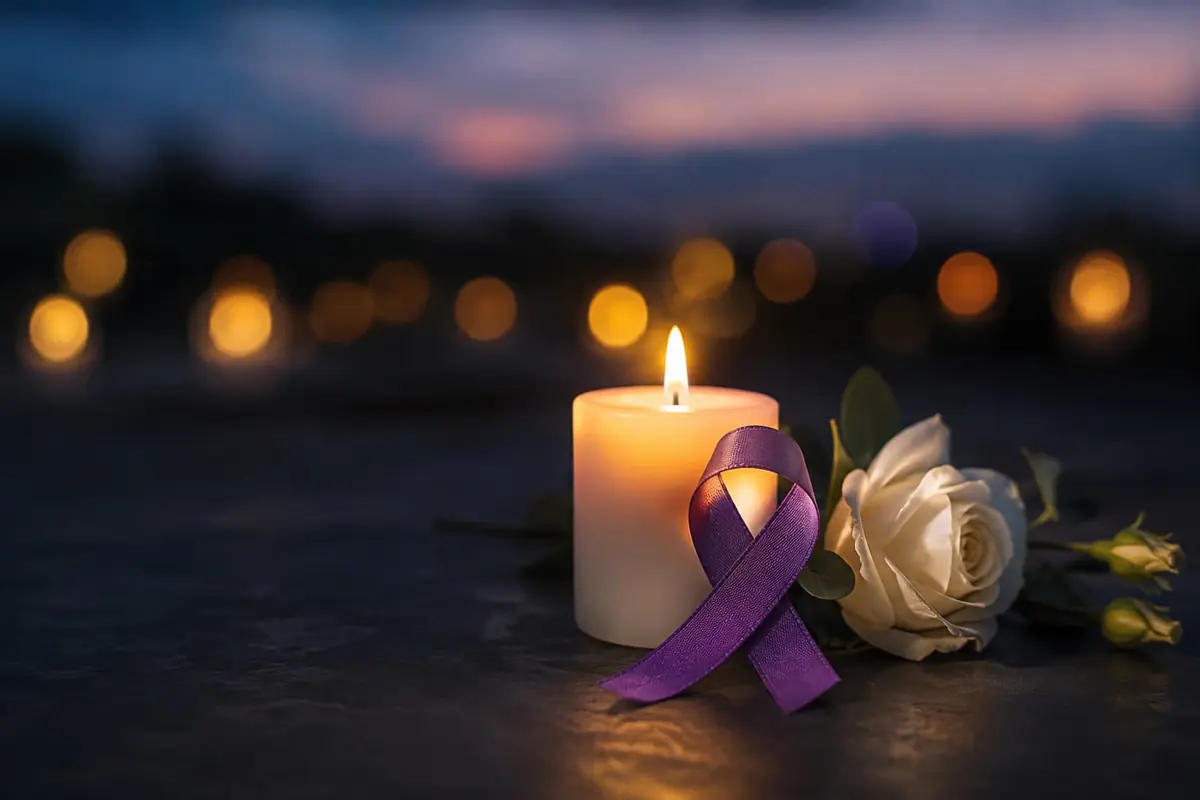
International Overdose Awareness Day is a global day of remembrance and action. It honors people whose lives have been lost or changed by overdose, acknowledges the grief carried by families and communities, and reinforces a critical public-health message: recognizing an overdose and responding quickly can save a life.
- Observed August 31
- A global campaign of remembrance, education, and action.
- Overdose Is an Emergency
- Call 911 immediately when an overdose is suspected.
- Naloxone Saves Lives
- It can rapidly reverse an opioid overdose when given in time.
- Compassion Matters
- Stigma can prevent people from seeking care and support.
Featured Answer
International Overdose Awareness Day is observed every August 31 to remember people who have died or been injured by overdose, support those who are grieving, reduce stigma, and encourage evidence-informed prevention. The day also gives communities an opportunity to learn the signs of overdose, understand how naloxone works, and connect people with treatment and recovery resources.
Key Takeaways
- An overdose can involve opioids, stimulants, sedatives, alcohol, prescription medications, or combinations of substances.
- Unresponsiveness and slow, irregular, or stopped breathing are major warning signs of an opioid overdose.
- Give naloxone when an opioid overdose is suspected, call 911, support breathing, and remain with the person.
- Naloxone will not reverse a non-opioid overdose, but it generally will not harm someone if opioids are not involved.
- Overdose prevention includes safer medication use, access to naloxone, treatment, behavioral healthcare, and nonjudgmental support.
What You’ll Learn
- Why International Overdose Awareness Day remains important in 2026.
- How to recognize possible opioid, stimulant, and sedative overdose symptoms.
- What to do during a suspected opioid overdose.
- What naloxone can and cannot do.
- How stigma affects prevention, treatment, grief, and recovery.
- Practical ways individuals and communities can take action.
Remembrance And Action
Why This Day Still Matters.
International Overdose Awareness Day is the world’s largest annual campaign focused on ending overdose. It creates space to remember people whose lives were lost, acknowledge those living with injury or trauma after an overdose, and recognize the families, friends, healthcare professionals, first responders, and community workers affected by the crisis.
The 2026 campaign theme, “25 Years On. Still Needed,” reflects both progress and unfinished work. Naloxone has become more accessible, evidence-based treatment is better understood, and many communities have expanded prevention programs. Yet overdose continues to affect people across ages, professions, neighborhoods, and socioeconomic groups.
Overdose is not a moral failure. It is a medical emergency that can arise through many circumstances, including substance use disorder, an unexpectedly potent drug supply, counterfeit pills, medication interactions, reduced tolerance after a period of abstinence, incorrect dosing, or combining substances that suppress breathing.
Overdose Does Not Affect Only One Type of Person
Anyone who uses an opioid may be at risk under certain conditions. That includes people taking prescription pain medication, individuals using illicit opioids, and people exposed to fentanyl without realizing it. Risk may increase after detoxification, incarceration, hospitalization, or a period of not using because tolerance can decline.
Risk also rises when opioids are combined with alcohol, benzodiazepines, sleep medications, or other sedating substances. These combinations can compound respiratory depression, making breathing dangerously slow or causing it to stop.
Education should therefore extend beyond people with a diagnosed substance use disorder. Family members, coworkers, caregivers, hospitality workers, fitness professionals, and members of the public may all be in a position to recognize an emergency and respond.
Why Language and Stigma Matter
Stigmatizing language can make people less willing to disclose substance use, carry naloxone, seek treatment, or call for help. It may also isolate grieving families who feel that their loss will be judged differently from another medical death.
Person-first language—such as “a person with a substance use disorder”—recognizes the individual before the condition. Compassion does not minimize risk or excuse harmful behavior. It creates a more effective environment for honest communication, prevention, medical care, and recovery.
For additional information about physician-guided health services and clinical support, readers can explore REMEDY® Health + Wellness services, learn more about our broader physician-guided wellness approach, or contact the Fort Lauderdale team for appropriate care navigation.
Emergency Response
Suspect an overdose? Act immediately.
If a person is unresponsive, breathing abnormally, or showing other signs of overdose, call 911. When an opioid overdose is possible, administer naloxone if it is available. Support breathing as instructed by emergency dispatchers, place the person on their side when appropriate, and stay with them until emergency personnel arrive.
01 Try to wake the person. Shout their name and use firm stimulation. Do not assume they are simply sleeping.
02 Call 911. Report a suspected overdose and follow the dispatcher’s instructions.
03 Give naloxone if available. A second dose may be needed if there is no response after two to three minutes.
04 Support breathing and remain present. Stay until emergency responders take over, even if the person wakes up.
Recognizing The Warning Signs
Overdose Can Look Different.
Symptoms depend on the substance involved, the dose, individual health factors, and whether multiple substances were combined. When you are uncertain, treat the situation as a medical emergency.
Possible Opioid Overdose
Warning signs may include inability to wake, very slow or stopped breathing, choking or gurgling sounds, pinpoint pupils, a limp body, pale or clammy skin, and blue, gray, or purple lips or fingertips.
Possible Stimulant Overdose
Symptoms may include extreme agitation, confusion, panic, chest pain, very rapid heartbeat, dangerously high body temperature, severe headache, seizures, hallucinations, or loss of consciousness.
Possible Sedative Overdose
Excessive sleepiness, poor coordination, slurred speech, confusion, slowed breathing, low blood pressure, vomiting, or unresponsiveness may occur with benzodiazepines, sleep medications, or other depressants.
Alcohol Poisoning
Warning signs include confusion, repeated vomiting, seizures, slow or irregular breathing, inability to remain conscious, low body temperature, and pale or bluish skin. Do not leave an unconscious person alone.
Mixed-Substance Overdose
Combining substances can create unpredictable symptoms. Stimulants may temporarily conceal sedation, while opioids combined with alcohol or benzodiazepines can sharply increase respiratory risk.
When You Are Not Sure
Do not wait for every classic sign. If the person cannot be awakened or is breathing abnormally, call 911. Early intervention is safer than assuming the person will recover without assistance.
Clinical Insight
Naloxone restores breathing.
Naloxone temporarily blocks opioid receptors and can reverse opioid-induced respiratory depression. It does not treat the underlying substance use disorder, remove opioids from the body, or replace emergency evaluation.
A person may become sedated again after naloxone wears off. Emergency care is still necessary.
Naloxone is used when an opioid overdose is known or suspected. It is available in formulations such as a nasal spray and an injection. Many community programs, pharmacies, health departments, and first-response organizations provide naloxone and training.
A response may occur within several minutes, but stronger or longer-acting opioids may require more than one dose. If there is no response after the interval indicated in the product instructions, administer another dose when available while continuing emergency response measures.
Naloxone has no meaningful effect on an overdose caused only by alcohol, cocaine, methamphetamine, benzodiazepines, or another non-opioid substance. However, because fentanyl or another opioid may be present without a person’s knowledge, public-health agencies recommend administering naloxone when opioid involvement is possible.
A person who awakens may feel confused, frightened, nauseated, or agitated, particularly if naloxone triggers rapid opioid withdrawal. Explain that they experienced a medical emergency, maintain a calm environment, and encourage them to remain until emergency personnel arrive.
Learn more through the CDC’s naloxone guidance and the National Institute on Drug Abuse naloxone resource.
Evidence Snapshot
Prevention Requires More Than One Tool.
Overdose prevention is most effective when communities combine practical emergency preparedness with access to healthcare, evidence-based substance use treatment, behavioral health services, safer prescribing, accurate public education, and ongoing support after a nonfatal overdose.
For opioid use disorder, medications such as buprenorphine, methadone, and extended-release naltrexone may be used as part of an individualized treatment plan. Buprenorphine and methadone are associated with lower illicit opioid use and reduced mortality when appropriately prescribed and maintained. Treatment should be selected with a qualified clinician based on medical history, current substance use, goals, access, and individual preferences.
Carrying naloxone is another evidence-informed measure. It may be appropriate for people who use opioids, take higher-dose prescription opioids, combine opioids with sedating medications, have a history of overdose, or live with someone who may be at risk. Friends and family members can also learn how to administer it.
Risk Can Change After a Period of Abstinence
Opioid tolerance may decline after detoxification, hospitalization, incarceration, residential treatment, or another period without use. Returning to a previously tolerated amount can then result in overdose. Discharge and transition planning should therefore include education, naloxone access, follow-up care, and connection to treatment.
Counterfeit Pills Increase Uncertainty
Illicitly manufactured pills may resemble legitimate prescription medications while containing fentanyl or other unexpected substances. Their potency can vary significantly. A pill’s appearance is not a reliable indication of its contents or strength.
A Nonfatal Overdose Is a Critical Care Opportunity
Surviving an overdose may indicate elevated future risk, but it also creates an opportunity for compassionate intervention. Emergency care should be followed by medication review, substance use assessment, naloxone access, treatment referral, mental health evaluation when indicated, and practical support addressing barriers such as transportation, housing, or insurance.
National treatment and support resources are available through the SAMHSA National Helpline. Information about opioid overdose prevention is also available from the World Health Organization.
Practical Prevention
How Individuals And Communities Can Take Action.
Carry Naloxone
Keep it accessible rather than locked away. Check the expiration date, learn the device instructions, and tell others where it is stored.
Review Medications
Use prescription medications only as directed. Ask a clinician or pharmacist about interactions, particularly when opioids, alcohol, sleep medications, or benzodiazepines are involved.
Learn Emergency Skills
Participate in naloxone and overdose-response training. Knowing how to call for help, support breathing, and use the recovery position can improve preparedness.
Use Respectful Language
Avoid labels that reduce a person to a diagnosis or behavior. Compassionate communication supports treatment engagement and reduces isolation.
Support Treatment Access
Help people locate qualified clinicians, medication treatment, counseling, recovery services, transportation, and follow-up care without imposing shame.
Remember With Purpose
Attend or organize an awareness event, share verified resources, honor those who have died, and support families without sensationalizing their stories.
Myth Versus Fact
Clear Information Can Save Lives.
- Myth
- Giving naloxone encourages substance use.
- Fact
- Naloxone is an emergency medication that reverses opioid-induced respiratory depression. It does not produce euphoria or treat substance use disorder. Its immediate purpose is to keep a person alive long enough to receive care.
- Myth
- Someone who wakes up after naloxone no longer needs medical help.
- Fact
- Naloxone may wear off before the opioid does. Breathing problems can return, and additional medical complications may be present. Call 911 and remain with the person.
- Myth
- You must be certain opioids are involved before giving naloxone.
- Fact
- When an opioid overdose is suspected, administering naloxone is appropriate. It generally will not harm a person whose symptoms were caused by a non-opioid condition, but emergency evaluation remains essential.
- Myth
- Overdose only occurs after intentional heavy drug use.
- Fact
- Overdose can result from counterfeit pills, unexpected potency, medication errors, drug interactions, reduced tolerance, or combining substances. It may be accidental and can affect people from any background.
People Also Ask
Common Questions About Overdose Awareness.
Why is purple associated with overdose awareness?
Purple is widely used as the awareness color for overdose remembrance and prevention. Communities often use purple ribbons, lighting, clothing, and memorial displays on or around August 31.
Can naloxone reverse a fentanyl overdose?
Yes. Fentanyl is an opioid, so naloxone can reverse its opioid effects. Because fentanyl can be very potent, more than one naloxone dose may be needed while emergency help is on the way.
Can someone overdose on prescription medication?
Yes. Prescription opioids, sedatives, stimulants, and other medications can cause overdose when taken incorrectly, combined with interacting substances, or used by someone with individual risk factors.
What should I do after someone survives an overdose?
Encourage medical follow-up, provide naloxone, review medications and substance use risks, and connect the person with evidence-based treatment and mental health support without judgment.
Frequently Asked Questions
Knowledge Before Crisis.
These answers provide general educational information. A suspected overdose requires immediate emergency assistance rather than online guidance.
When is International Overdose Awareness Day?
International Overdose Awareness Day is observed annually on August 31. Events may also be held throughout August or in the surrounding weeks. The official campaign brings communities together to remember lives lost, acknowledge grief, reduce stigma, and promote overdose prevention.
What is the 2026 International Overdose Awareness Day theme?
The official 2026 theme is “25 Years On. Still Needed.” It recognizes 25 years of global remembrance and advocacy while emphasizing that continued prevention, education, treatment access, and compassionate action remain necessary.
What are the most important signs of an opioid overdose?
Major signs include inability to wake, very slow or stopped breathing, choking or gurgling sounds, pinpoint pupils, a limp body, and pale, blue, gray, or purple skin around the lips or fingertips. Call 911 and give naloxone when available.
Is naloxone safe to give when I am unsure?
Public-health guidance supports giving naloxone when an opioid overdose is suspected. Naloxone acts on opioid receptors and generally will not harm a person if opioids are not responsible for the symptoms. It does not replace calling 911 or providing appropriate emergency support.
How long does naloxone last?
Naloxone’s effects are temporary and may wear off while opioids remain active in the body. A person can become unresponsive or stop breathing again. Emergency evaluation is necessary even when the person initially improves.
Where can I obtain naloxone?
Availability varies by location, but naloxone may be obtained through pharmacies, health departments, community harm-reduction programs, healthcare organizations, or local distribution events. Some nasal naloxone products are available over the counter in the United States.
How can families support someone at risk of overdose?
Families can keep naloxone available, learn the warning signs, review medication interactions, create an emergency plan, encourage evidence-based treatment, and communicate without shame. Support should include clear boundaries while recognizing substance use disorder as a treatable medical condition.
Where can someone find help for substance use or a mental health crisis?
In the United States, SAMHSA’s National Helpline is available at 1-800-662-HELP (4357). Call or text 988 for a suicide or mental health crisis. Call 911 for an overdose, loss of consciousness, abnormal breathing, chest pain, seizures, or another immediate medical emergency.
This article is for general education and is not medical advice. All treatments require an evaluation by a licensed clinician. Eligibility, prescriptions and treatment plans are determined by a licensed physician. Individual results vary. For emergencies, call 911.
Topic guides