Concierge & Public Health
Hurricane Medical Preparedness Guide
A physician-guided plan for medications, medical devices, evacuation, heat, water safety and continuity of care
Published · 11 min read · The Remedy IV Health + Wellness
Medically reviewed by Dr. Jarrod Wilson, MD (FL License ME133911) ·
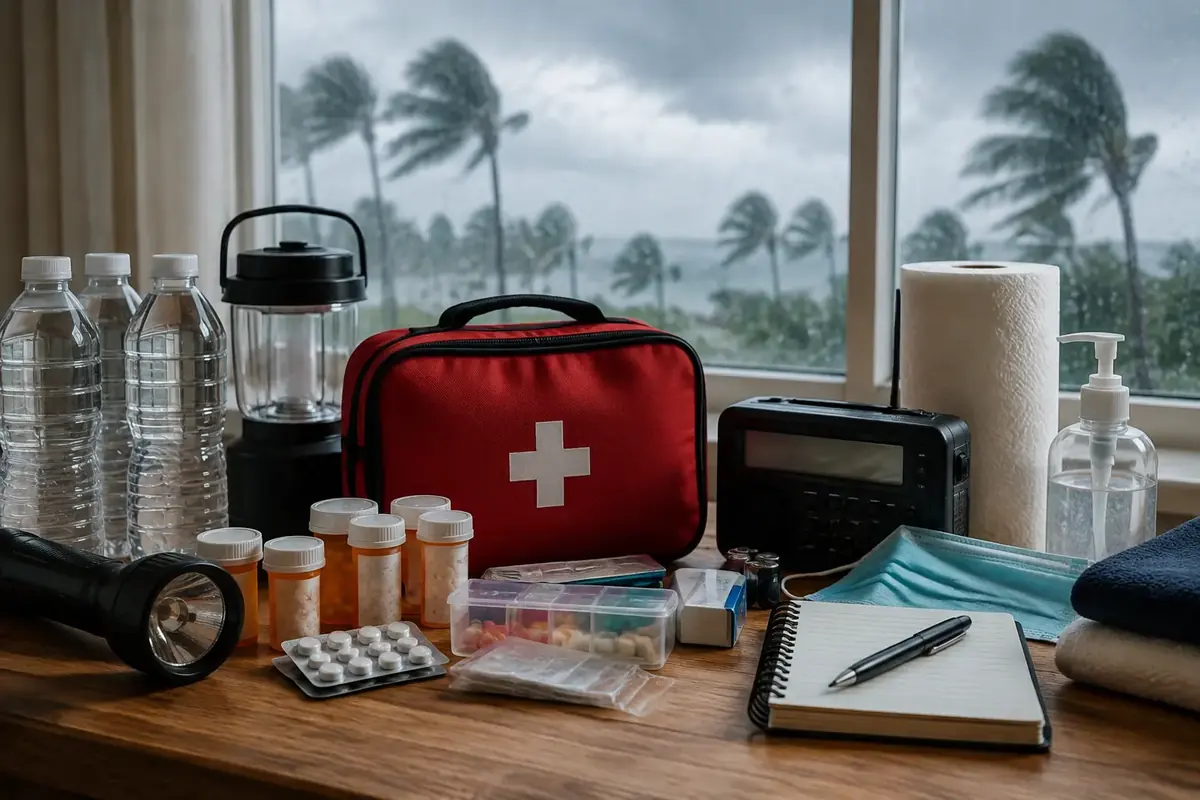
Hurricane readiness is not complete when the shutters are installed and bottled water is stored. For households managing prescriptions, diabetes, oxygen, dialysis, pregnancy, mobility limitations or electricity-dependent equipment, medical continuity must be planned before watches and warnings begin.
- Two-Week Medication Plan
- Florida emergency guidance recommends maintaining a current minimum two-week supply of essential prescription medicines when possible.
- Seven Days of Household Supplies
- Florida’s 2026 preparedness guidance encourages enough food, water, medicine and batteries for each household member for at least seven days.
- Power and Evacuation Backup
- People who rely on powered devices, oxygen, mobility support or medical transportation should plan and register before a storm threatens.
- Physician-Guided
- Preparedness built around diagnoses, prescriptions, devices and individual risk.
- South Florida Focused
- Heat, humidity, flooding, evacuation and extended outages receive local context.
- Evidence-Informed
- Recommendations align with current Florida, CDC, FDA, FEMA and NOAA guidance.
- Continuity First
- The goal is to prevent avoidable gaps in medication, monitoring and medical care.
- Featured Answer
- The essential medical steps to complete before a hurricane affects South Florida.
What Should Be in a Hurricane Medical Preparedness Plan?
A complete hurricane medical plan should include an up-to-date medication list, an emergency prescription supply, safe storage for temperature-sensitive drugs, backup power or evacuation arrangements for medical equipment, copies of essential records, reliable transportation, a communication plan and enough water, food and medical supplies for an extended disruption. People with access or functional needs should contact their county and register for appropriate assistance before a storm is approaching.
At a Glance
Key Takeaways
Prepare Before a Watch
Refills, device batteries, transportation and shelter registration become harder to arrange once demand rises and roads are threatened.
Protect Medication Integrity
Heat, floodwater and prolonged power loss can damage medications. Storage decisions should follow product instructions and pharmacist guidance.
Plan for Loss of Power
CPAP, oxygen concentrators, nebulizers, infusion pumps and other devices require a tested backup and a safe evacuation threshold.
Know When to Leave
Evacuation orders, storm surge risk and medical dependence should outweigh the desire to remain at home.
What You Will Learn
How to Protect Medical Continuity Before, During and After a Storm.
This guide focuses on the health decisions that are easiest to overlook: medication access, cold storage, powered equipment, evacuation readiness, safe water, post-storm hazards and knowing which symptoms require emergency care.
Medication Readiness
Build a current prescription supply and a written list that can travel with you.
Cold-Chain Planning
Prepare coolers and temperature guidance for insulin and other refrigerated products.
Power-Dependent Care
Create safe backups for medical devices without relying on last-minute generator access.
Evacuation and Shelters
Know your zone, destination, transportation plan and special-needs registration status.
Water and Heat Safety
Account for South Florida heat, contaminated water and limited air conditioning.
Post-Storm Medical Risks
Recognize carbon monoxide exposure, wound infection, heat illness and medication interruption.
Why Hurricane Medical Preparedness Requires a Separate Plan
South Florida households often prepare for wind, flooding and power loss, yet medical vulnerability can escalate before structural damage occurs. Pharmacies may close, roads may become impassable, elevators can stop, air conditioning may fail and routine outpatient services may be interrupted. A person who is stable under normal conditions can become high risk when medication, refrigeration, oxygen, dialysis, charging or transportation is unavailable.
The 2026 Atlantic hurricane season runs from June 1 through November 30, but preparation should not depend on a forecast cone. Use the National Hurricane Center for official tropical weather information and your county emergency management office for evacuation orders, shelter details and local alerts.
Build a Two-Week Prescription Strategy
The Florida Division of Emergency Management recommends maintaining a minimum two-week supply of prescription medicines and keeping the extra supply current. That does not mean changing doses or filling medications outside legal and insurance limits. It means discussing hurricane continuity with your prescriber and pharmacist early enough to understand refill timing, emergency options and which medicines cannot be interrupted safely.
Create a printed and digital medication record that includes each drug’s generic and brand name, strength, dose, timing, reason for use, prescribing clinician and pharmacy. Add allergies, diagnoses, implanted devices and insurance information. Store medicines in their labeled containers, keep controlled substances secure and never combine different pills in an unlabeled bottle.
Medication Kit Checklist
- At least a two-week supply of essential prescriptions when available and medically appropriate.
- A current medication, allergy and diagnosis list for every household member.
- Copies of prescription labels, insurance cards and clinician contact information.
- Necessary nonprescription medicines, glucose supplies, inhalers, epinephrine and wound-care items.
- A waterproof bag and a grab-and-go container that can travel during evacuation.
- Child-resistant storage and a separate plan for pet medications.
The CDC prescription preparedness guide recommends speaking with your doctor or pharmacist about an emergency supply and keeping a detailed list of medications, doses, medical supply needs and allergies.
Protect Refrigerated and Temperature-Sensitive Medications
Insulin, some injectable medicines, certain liquid antibiotics and other products may require controlled temperatures. Do not assume that every refrigerated medication has the same room-temperature allowance. Review the manufacturer’s storage instructions and ask a pharmacist what temperature range and duration apply to your exact product.
Before the storm, freeze gel packs, prepare an insulated medication cooler and place a thermometer inside. Keep medicine away from direct contact with ice unless the product instructions permit freezing exposure. If a medication has been submerged, contaminated, frozen unexpectedly or exposed to prolonged heat, contact a pharmacist or manufacturer before using it when an alternative is available.
The FDA’s disaster medication guidance explains that prolonged power loss can make refrigerated drugs unsafe or less effective. Life-sustaining medication may require individualized emergency decisions until replacement is available, which is why a product-specific plan should be made in advance.
Prepare for Medical Devices and Loss of Electricity
Households using oxygen concentrators, ventilators, CPAP or BiPAP, nebulizers, home dialysis equipment, feeding pumps, suction devices, powered wheelchairs or refrigerated biologics need more than a generic battery pack. Determine the device’s wattage, battery runtime, charging method, surge requirements and whether it can safely run from a generator or vehicle inverter. Test the backup under realistic conditions before hurricane season peaks.
Notify the electric utility and local emergency management office if a household member relies on life-supporting equipment, but do not assume priority restoration will keep the home safe. The FDA advises device users to contact manufacturers or distributors about battery and generator compatibility and to avoid plugging in wet equipment.
Oxygen Requires Its Own Safety Plan
Confirm how long cylinders will last, how many are needed, where refills may be available and how oxygen will be transported safely. Oxygen supports combustion, so it must remain away from flames, smoking, grills, generators and fuel. A worsening respiratory condition, falling oxygen saturation or inadequate supply may require earlier evacuation or emergency care.
Register for Assistance Before a Storm Threatens
Florida’s Special Needs Registry helps local emergency managers plan for residents who may need transportation, shelter support, medication access or electricity-dependent care. Registration does not guarantee eligibility or replace a personal plan. Counties review needs and provide local instructions, so complete registration early and update it annually.
Use the official Florida Special Needs Registry and contact your county emergency management office about qualifications, caregiver requirements, equipment, pets, transportation and what to bring. Special-needs shelters provide limited medical support; they are not hospitals, intensive-care units or long-term care facilities.
Create a Medical Evacuation Decision Before the Cone Arrives
A safe destination should be identified before evacuation routes become crowded. Confirm whether the location has reliable power, air conditioning, accessibility, refrigeration and room for caregivers, equipment and service animals. Keep the vehicle fueled and pack medications and records where they remain with the patient—not in a moving truck or checked luggage.
Pregnant patients, dialysis patients, people receiving chemotherapy, those with unstable heart or lung disease and anyone approaching a procedure should ask their treating team what circumstances require early relocation. The plan should include where care can continue if the usual clinic closes.
Store Enough Water and Account for South Florida Heat
Florida’s 2026 preparedness guidance encourages at least seven days of food, water, medicine and batteries for each household member. The CDC recommends storing at least one gallon of water per person per day for a minimum of three days and trying for a two-week supply when possible, with extra water for hot climates, pregnancy, illness and pets.
People with heart failure, kidney disease, liver disease or prescribed fluid restrictions should not apply generic hydration advice without clinician guidance. Ask how to manage fluid and sodium intake when heat exposure rises and normal meals or medications are disrupted. For general household planning, review the CDC emergency water recommendations.
Plan for the Medical Risks That Begin After Landfall
Many hurricane injuries and illnesses occur during cleanup. Floodwater can contain sewage, chemicals, sharp debris and electrical hazards. Wear protective footwear and gloves, clean wounds promptly and seek care for deep punctures, bites, contaminated wounds or signs of infection. Avoid driving or walking through moving floodwater.
Carbon monoxide is another major post-storm hazard. Never run a generator, grill, pressure washer or fuel-burning engine inside a home, garage, carport or enclosed area. The CDC advises keeping portable generators outside and at least 20 feet from windows, doors and vents, with a battery-powered carbon monoxide detector in the home.
Headache, dizziness, nausea, weakness, confusion, chest pain or fainting around generator use may indicate carbon monoxide exposure. Move to fresh air and call 911. Do not re-enter the space to retrieve belongings.
Clinical Insight
Medical Evacuation Should Be Based on Dependence, Not Storm Category Alone.
A lower-category storm can still produce long outages, extreme heat, flooding and blocked access to pharmacies or clinics. The more a person depends on uninterrupted medication, electricity, oxygen, refrigeration, dialysis, mobility support or caregiver availability, the earlier the evacuation threshold should be discussed. Waiting for symptoms to worsen may eliminate safer options.
When to Seek Emergency Care
Call 911 for chest pain, stroke symptoms, severe breathing difficulty, uncontrolled bleeding, severe allergic reaction, seizure, loss of consciousness, suspected carbon monoxide poisoning, heat stroke, major trauma or any rapidly worsening condition. Do not rely on a wellness clinic, mobile IV service or special-needs shelter for life-threatening emergencies.
For non-life-threatening concerns before or after a storm, REMEDY® offers physician-guided minor urgent care in Fort Lauderdale. Availability may change during severe weather, and emergency symptoms always require emergency services.
Evidence Snapshot
What Current Emergency Guidance Supports.
Preparedness recommendations consistently prioritize medication continuity, enough household supplies, safe water, backup power, early registration for assistance and prevention of post-storm injuries.
Florida 2026 Preparedness
The Florida Division of Emergency Management advises households to prepare at least seven days of food, water, medicine and batteries and directs residents with access and functional needs to the Special Needs Registry.
Prescription Continuity
Florida Disaster medication guidance recommends a current minimum two-week supply of prescription medicines.
Medication and Device Safety
The FDA emergency preparedness resources address drug storage, power outages, flooding and medical-device safety.
Water and Carbon Monoxide
The CDC provides current guidance on emergency water storage and generator safety during outages.
Benefits and Limitations
What a Medical Hurricane Plan Can—and Cannot—Do.
Potential Benefits
- Reduces preventable interruptions in essential medication and monitoring.
- Clarifies when a medically vulnerable household should evacuate early.
- Protects temperature-sensitive drugs and power-dependent equipment.
- Improves communication with shelters, pharmacies and healthcare teams.
Important Limitations
- A supply kit cannot replace emergency medical services or hospital care.
- Special-needs registration does not guarantee shelter placement or transportation.
- Generators and batteries can fail and must not be the only contingency.
- Medication storage limits differ by product and require specific guidance.
Myth vs. Fact
Common Hurricane Health Misunderstandings
Myth
A standard three-day emergency kit is enough for every medically vulnerable household.
Fact
Florida’s 2026 guidance encourages seven days of household supplies, while prescription planning may require at least a two-week supply when possible.
Myth
If my utility knows I use medical equipment, my power will be restored immediately.
Fact
Notification may support planning, but it does not guarantee uninterrupted electricity or priority restoration. A backup and evacuation plan remain necessary.
Myth
Medicine kept in a cooler is automatically safe after a prolonged outage.
Fact
Temperature limits differ by product. Freezing, heat, contamination and unknown temperatures may affect safety or potency.
Myth
A generator is safe in a garage if the door is open.
Fact
Generators must remain outdoors and at least 20 feet from doors, windows and vents because carbon monoxide can accumulate quickly.
People Also Ask
Practical Questions for South Florida Households.
How Early Should I Refill Prescriptions?
Discuss refill timing before a storm is forecast. Insurance rules, controlled-substance requirements and pharmacy policies vary, so early planning matters.
Who Should Use the Special Needs Registry?
Residents who may need evacuation transportation, medical shelter support, medication assistance or electricity-dependent care should review county eligibility.
Can I Bring Medical Equipment to a Shelter?
Requirements vary. Confirm permitted equipment, power availability, caregiver expectations, oxygen rules and supplies directly with local emergency management.
How Much Water Should I Store?
Store at least one gallon per person per day and aim beyond three days when possible. South Florida heat and medical needs may increase requirements.
What If Refrigerated Medicine Gets Warm?
Check the product instructions and contact a pharmacist or manufacturer. Do not guess based only on appearance.
Can Mobile IV Therapy Replace Emergency Care?
No. IV care may support selected non-emergency needs after clinical evaluation, but it does not replace 911, an emergency department or disaster medical response.
Frequently Asked Questions
2026 Hurricane Medical Preparedness.
These answers provide general guidance. Medication, device, evacuation and fluid plans should be individualized with the clinicians and agencies responsible for your care.
How many days of medication should I have for a hurricane?
Florida emergency guidance recommends a current minimum two-week supply of prescription medicines when possible. Ask your prescriber and pharmacist about refill timing, insurance restrictions and medications that cannot be interrupted safely.
What medical information should I carry during evacuation?
Carry a medication and allergy list, diagnoses, clinician and pharmacy contacts, insurance information, device details, advance directives when applicable and copies of critical recent records. Keep paper copies in a waterproof bag.
How do I keep insulin cold during a power outage?
Use the storage limits for your exact insulin product. Prepare an insulated cooler and thermometer, avoid direct freezing contact and ask a pharmacist how long the product may remain at room temperature. Replace insulin exposed beyond recommended conditions when possible.
Should I register for a special-needs shelter?
Review registration if you need electricity-dependent medical equipment, evacuation transportation, medication assistance or medical monitoring beyond a general shelter. Registration should be completed before a storm and does not guarantee placement.
What should CPAP or oxygen users do before a hurricane?
Confirm battery runtime, charging options, generator compatibility, oxygen supply duration and the point at which you will evacuate to reliable power. Contact the equipment supplier and local emergency management office before the storm.
How can I tell if medicine was damaged by heat or floodwater?
Do not use submerged or visibly contaminated medication when replacement is available. Heat damage may not be visible. Contact a pharmacist or manufacturer with the product name, temperature exposure and duration.
What symptoms after a hurricane require emergency care?
Call 911 for chest pain, stroke symptoms, severe breathing difficulty, confusion, fainting, seizure, major injury, uncontrolled bleeding, severe allergic reaction, heat stroke or possible carbon monoxide poisoning.
Where can I get non-emergency medical guidance in Fort Lauderdale?
Explore REMEDY®’s private concierge health services, minor urgent care and physician-guided wellness services. Severe or life-threatening symptoms require 911 or the nearest emergency department.
This article is for general education and is not medical advice. All treatments require an evaluation by a licensed clinician. Eligibility, prescriptions and treatment plans are determined by a licensed physician. Individual results vary. For emergencies, call 911.
Topic guides